What exactly is Contractor Pollution Liability insurance and why do I need it?
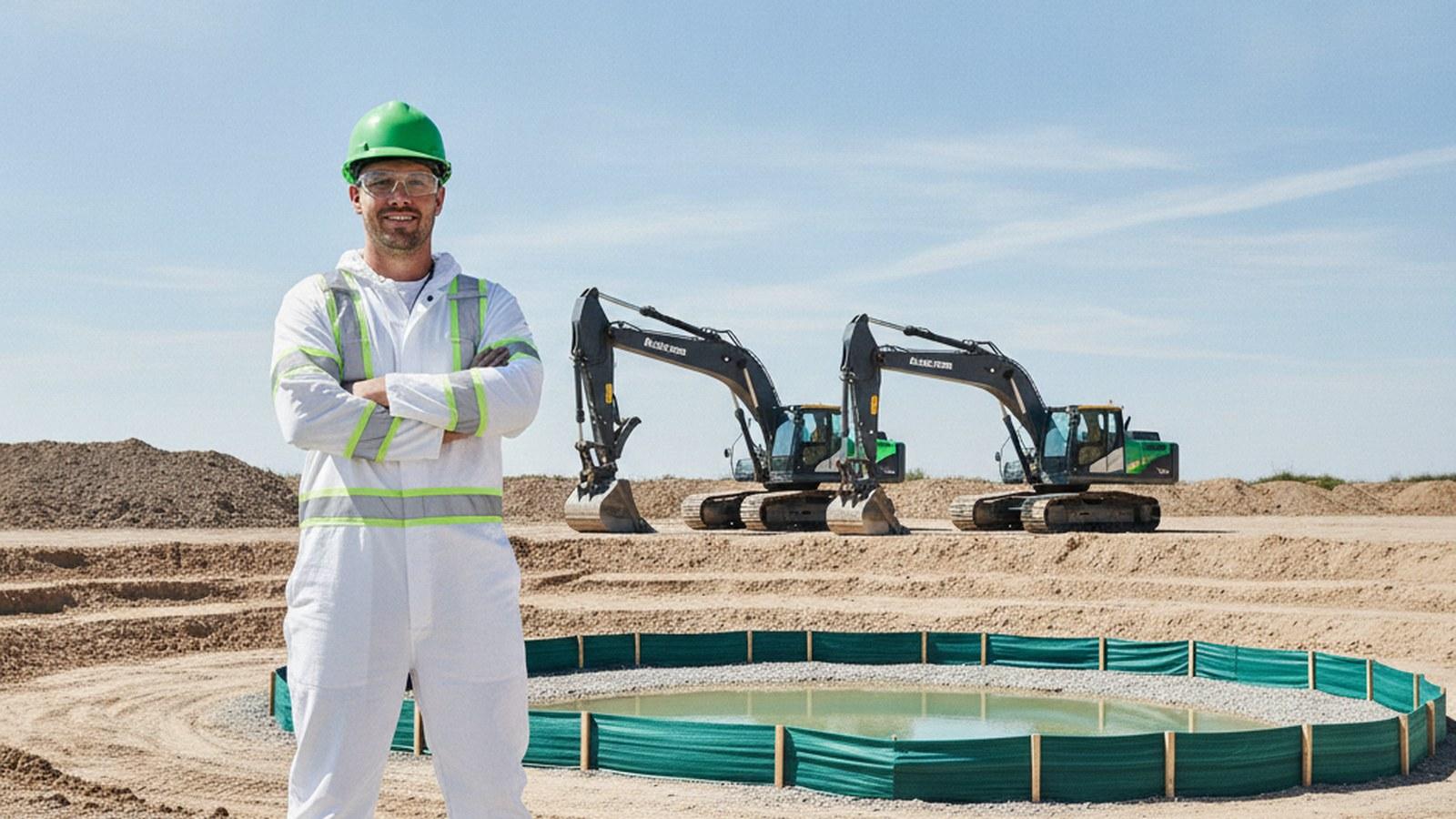
Contractor Pollution Liability (CPL) insurance provides specialized coverage for environmental contamination risks that aren't covered by standard general liability policies. Construction work involving excavation, fuel storage, hazardous materials, or renovation of older buildings can create significant pollution exposures. CPL insurance covers cleanup costs, third-party property damage, and regulatory compliance expenses that could otherwise bankrupt your contracting business.
How much does Contractor Pollution Liability insurance typically cost?
CPL insurance premiums typically range from $2,000 to $15,000 annually for most contractors, depending on your operations, project types, and coverage limits. Factors affecting cost include revenue size, geographic locations, prior claims history, and risk management practices. Contractors with strong environmental management programs often qualify for premium discounts of 10-25%.
What specific pollution incidents does CPL insurance cover?
CPL insurance covers a broad range of environmental incidents including equipment fuel spills, discovery of existing contamination during excavation, improper disposal of construction materials, disturbance of asbestos or lead-based paint, and contamination from petroleum products. Coverage applies to both sudden accidents and gradual pollution conditions discovered years after they begin.
Does my general liability policy provide any pollution coverage?
Standard general liability policies contain broad pollution exclusions that eliminate coverage for most environmental claims. While some policies include limited coverage for "sudden and accidental" pollution, these exceptions are very narrowly interpreted and typically don't protect contractors from significant environmental exposures.
What are the minimum coverage limits I should carry for CPL insurance?
Most contractors should carry at least $1-2 million in CPL coverage, with many industry experts recommending $5 million for larger operations. Coverage limits should be based on potential cleanup costs in your area, which frequently exceed $100,000 for even minor contamination incidents. Large projects or high-risk operations may require higher limits.
Will CPL insurance cover pre-existing contamination I discover during construction?
Many CPL policies include coverage for pre-existing contamination that you disturb during construction activities, even though you didn't cause the original contamination. This coverage is crucial for renovation and excavation projects where encountering existing contamination is common. However, coverage terms vary among insurers, so review your policy carefully.
How quickly must I report potential pollution incidents to my insurance carrier?
Most CPL policies require notification within 24-72 hours of discovering a potential pollution condition. This includes suspected contamination, regulatory inquiries, and third-party complaints. Delayed notification can jeopardize your coverage, so contact your carrier immediately when environmental concerns arise.
What should I do if environmental contamination is discovered at my job site?
Immediately stop work in the affected area, ensure worker safety, and contact your insurance carrier and environmental consultant. Don't attempt cleanup without proper assessment. Document the discovery with photographs, notify regulatory agencies as required, and follow your insurance carrier's guidance for next steps.
Are there ways to reduce my CPL insurance premiums?
Yes, several strategies can reduce premiums including implementing comprehensive environmental management systems, providing employee training, conducting pre-project environmental assessments, maintaining clean claims history, and working with experienced environmental consultants. Some carriers offer credits for industry certifications and proactive risk management practices.
Does CPL insurance cover transportation of hazardous materials?
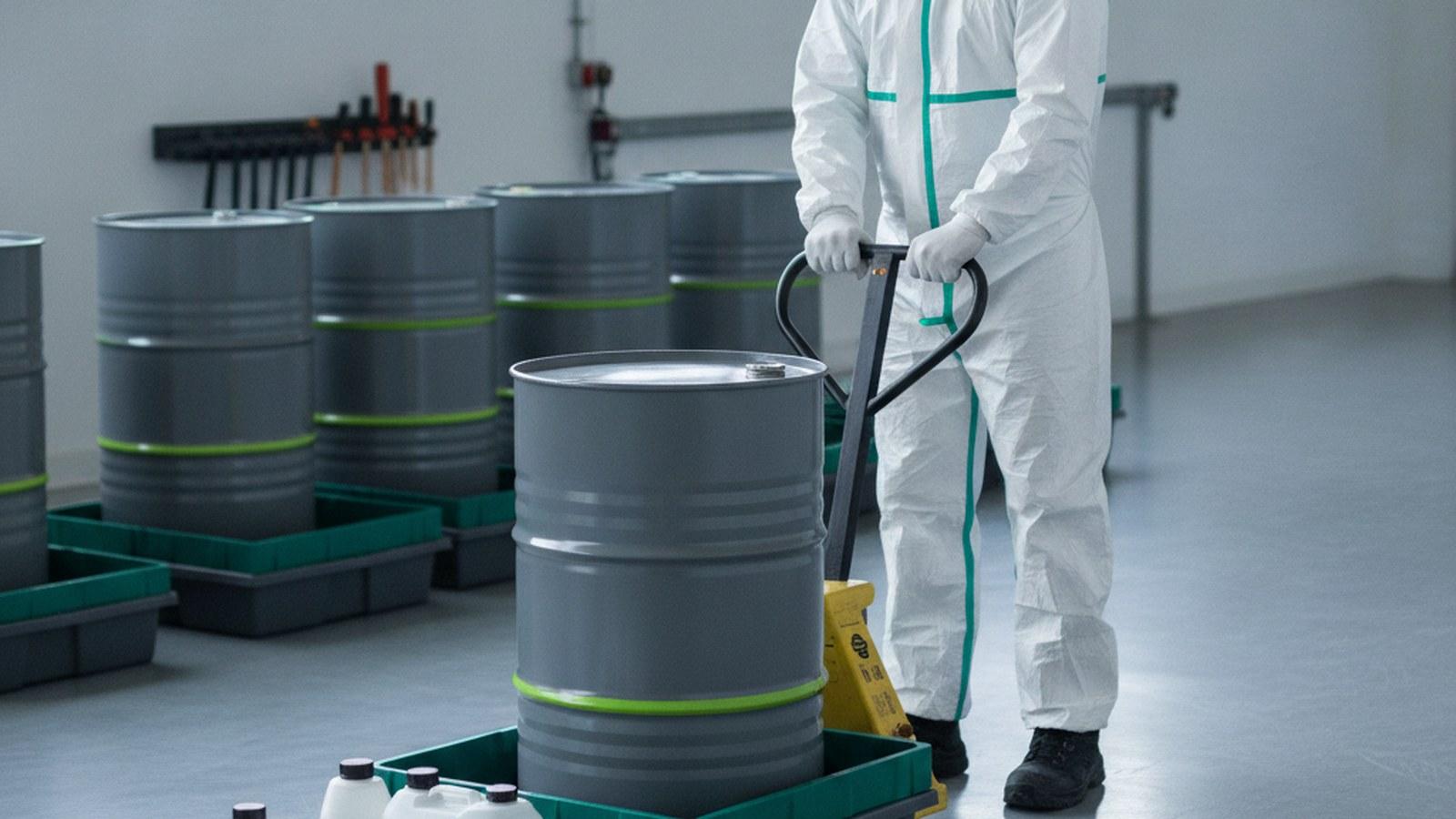
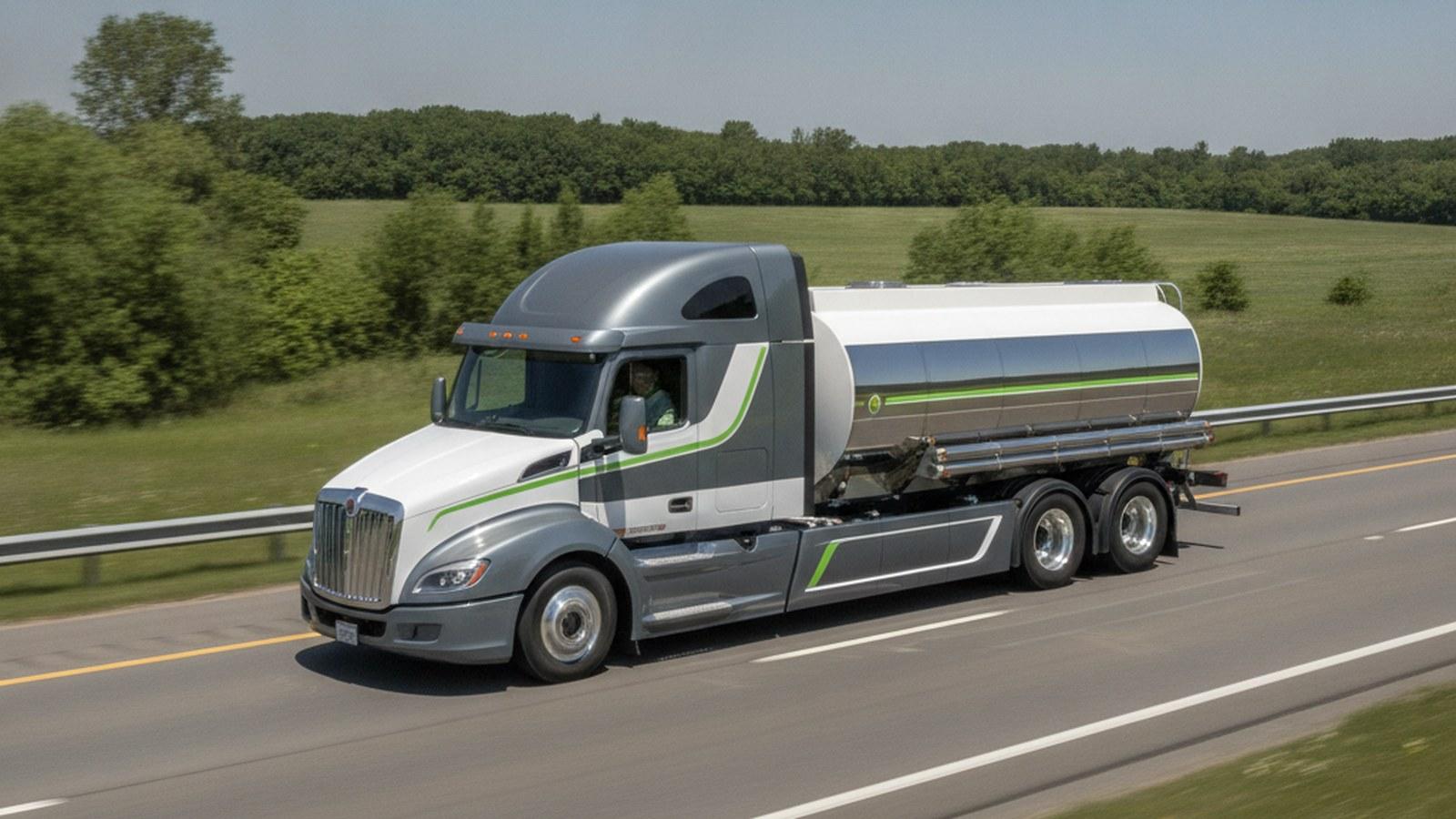
Many CPL policies include transportation coverage for moving materials, equipment, and waste to and from job sites. This coverage protects against environmental liability from accidents during transport. However, specialized hauling operations may require separate transportation pollution liability coverage.
What's the difference between occurrence and claims-made CPL coverage?
Occurrence-based coverage protects against incidents that happen during the policy period regardless of when claims are filed. Claims-made coverage only applies to claims reported during the policy period for incidents that occurred after the retroactive date. Occurrence coverage is generally preferred for construction operations.
Can my subcontractors' pollution incidents affect my insurance coverage?
Yes, subcontractor environmental incidents can trigger claims against your CPL policy if you're held liable for their actions. Ensure subcontractors carry their own CPL insurance and are named as additional insureds on your policy. Require certificates of insurance and review their coverage adequacy before project start.
How does CPL insurance work with environmental regulations like EPA requirements?
CPL insurance helps contractors comply with environmental regulations by covering cleanup costs and regulatory compliance expenses. However, the insurance doesn't prevent regulatory enforcement actions or cover fines and penalties. Maintaining regulatory compliance reduces claim frequency and demonstrates good faith efforts to protect the environment.
What types of cleanup costs are covered under CPL insurance?
CPL insurance typically covers investigation costs, containment and remediation expenses, regulatory oversight fees, monitoring costs, and disposal fees for contaminated materials. Coverage may include emergency response costs, even when no actual contamination occurs, if the response was reasonable given the circumstances.
Are there seasonal considerations for CPL insurance coverage?
Environmental risks can vary seasonally due to weather conditions, groundwater levels, and project types. Spring thaw and heavy rainfall can mobilize contamination, while winter conditions may limit response capabilities. Year-round coverage is essential as environmental incidents can occur regardless of season.
How do I choose the right CPL insurance carrier for my business?
Select carriers with strong financial ratings (A.M. Best A- or higher), environmental insurance expertise, responsive claims handling, and comprehensive risk management support services. Consider the carrier's network of environmental consultants, regulatory experience, and track record for fair claims settlement.
What documentation should I maintain for potential CPL insurance claims?
Keep detailed records of environmental management activities, employee training, equipment maintenance, incident reports, regulatory correspondence, and contractor certifications. Maintain photographs of project conditions, chain of custody records for any sampling, and documentation of response activities. Good record-keeping supports claims and demonstrates environmental stewardship.
Can CPL insurance help with business interruption from environmental incidents?
Many CPL policies include limited business interruption coverage for income lost due to pollution incidents. This coverage helps compensate for project delays and additional expenses incurred during environmental response activities. Coverage limits and waiting periods vary among carriers.
What happens if I'm sued for environmental damages years after a project is completed?
CPL insurance provides long-term protection against environmental claims that may not surface until years after project completion. Occurrence-based policies continue to provide coverage regardless of when claims are filed, as long as the incident occurred during the policy period. This protection is crucial given the long latency period of many environmental exposures.
How does CPL insurance coordinate with other types of business insurance?
CPL insurance works alongside your general liability, workers' compensation, and property insurance to provide comprehensive protection. Coordination is important to avoid coverage gaps and ensure proper claims handling. Many contractors purchase CPL insurance from the same carrier as other policies to simplify coordination and potentially reduce costs.